Home Tree Removal
Tree Removal in Honolulu
Dead, leaning, storm cracked or simply too big for the yard. Call with the tree, the spot and what is underneath it, and get a plan for taking it down safely.
When a Tree Needs to Come Out
Most trees are worth keeping, and a good trim solves more problems than people expect. Removal is the right answer when the tree itself has become the problem. These are the situations that bring most Honolulu homeowners to the phone:
- The tree is dead or dying. Bare canopy in the growing season, bark falling away, fungus at the base, or a trunk that sounds hollow. Dead wood gets brittle quickly in Hawaii heat and rain.
- It leans toward something that matters. A new lean, cracked or heaving soil on the far side of the root plate, or a lean that has grown worse after heavy rain are all signs the roots are letting go.
- Storm damage. A split trunk, a torn out leader, or a canopy that lost half its weight on one side after a Kona storm usually cannot be trimmed back into a safe tree.
- Roots are lifting slabs, walls or pipes. Monkeypod and banyan roots travel far beyond the canopy and can crack driveways, lanai slabs and retaining walls.
- The tree has simply outgrown the lot. A shower tree or mango planted forty years ago may now shade the whole house, fill gutters daily and sit over the roof.
How a Tree Is Taken Down in a Honolulu Yard
Very few residential removals here are a single cut at the base. Oahu lots are tight, houses sit close together, and there is often a power line, a carport or a neighbor's roof inside the fall zone. So most trees come down in pieces.
- AssessLook at the lean, the wood condition, the targets below and the access for trucks and equipment.
- Plan the orderDecide which limbs come off first, where each piece will land or be lowered, and where the drop zone is.
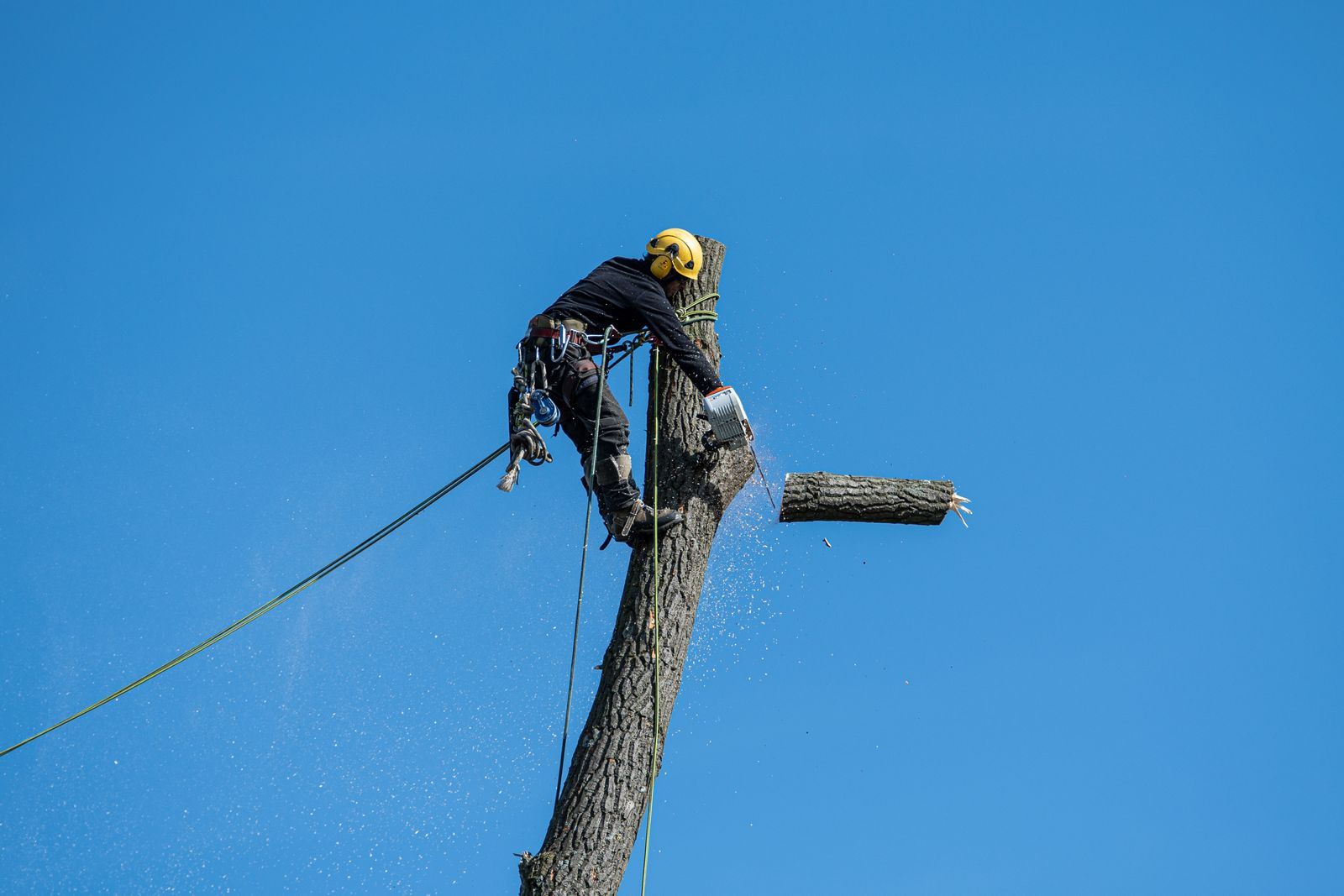
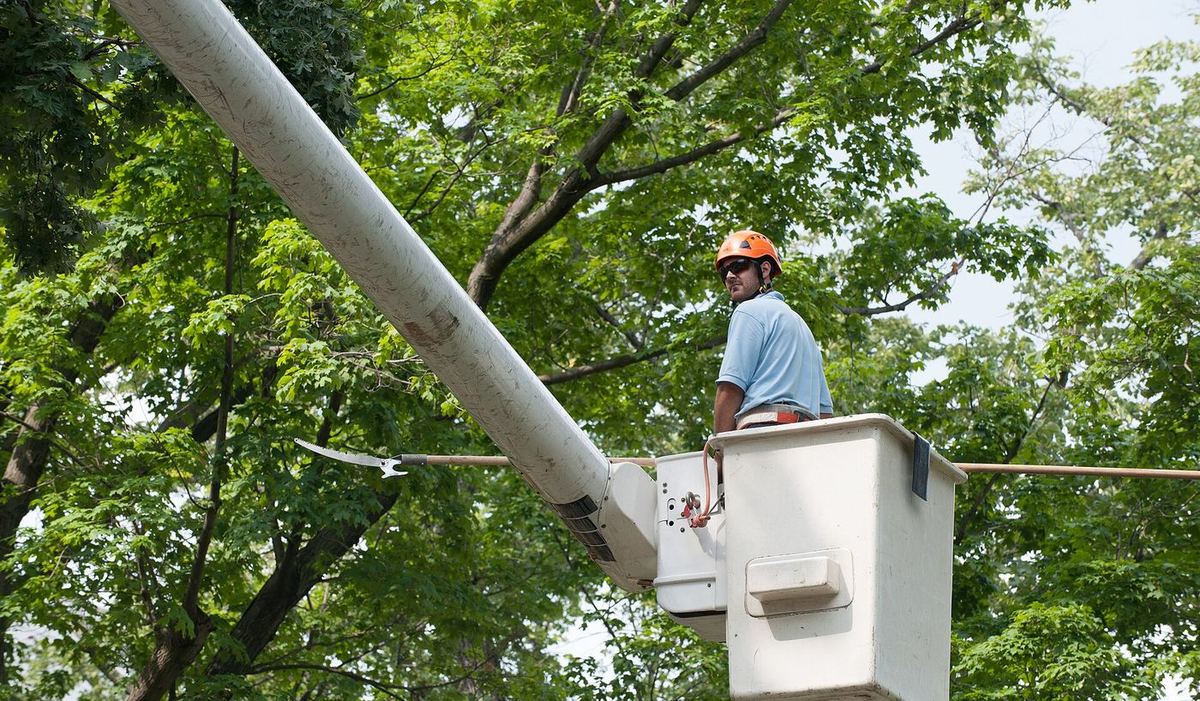
- Section downClimbers or a lift remove the canopy in controlled pieces, lowering heavy wood on ropes over structures.
- Fell the sparOnce the canopy is gone, the remaining trunk is dropped or cut down in rounds.
- Clean upBrush is chipped, wood is hauled or cut to length, and the yard is raked.
Where the yard is open and nothing is in the way, a tree can sometimes be felled whole, which is faster and cheaper. On slopes, over houses, or where the only way in is a narrow side path, sectioning is the safe option, and on the biggest trees a crane can be worth its cost because it removes long sections in one lift.
Trees We Remove Most Often on Oahu
Monkeypod
The classic Hawaii shade tree, and the one that most often outgrows a residential lot. Monkeypods spread far wider than they are tall, put out long horizontal limbs that end up over roofs, and carry heavy wood. Removing a big one is a sectioning job almost every time.
Albizia
Among the fastest growing trees in Hawaii, albizia shoots up quickly on hillside and stream side lots, especially on the windward side. The wood is brittle, so limbs and whole trees fail in storms. If an albizia is leaning over a house, it is worth dealing with before the next big wind.
Banyan
Banyans drop aerial roots that thicken into new trunks, so a single tree can turn into a grove. They are heavy, sprawling and hard on nearby foundations and walls. Removal often means several trunks and a large root mass.
Mango, shower trees and other yard trees
Older mango trees get tall and dense, drop fruit on cars and lanais, and can hide rot in the main trunk. Shower trees and other mature ornamentals come out for the same reasons: size, decay, or a better use for the space.
Palms are a different kind of removal. See palm tree removal for coconut, royal, date, fan and Bismarck palms.
What Tree Removal Costs
Published cost guides put Honolulu tree removal at about $599 for a small tree, about $1,197 for a medium tree, about $2,394 for a large tree, and about $4,655 for a very large tree. One guide's Honolulu average is about $730. At the top end, a 60 foot monkeypod can run upwards of $9,200.
Those are guide figures, not quotes. The things that move a real price are height and spread, what is underneath, how close a truck can get, whether a crane is needed, and whether you want the stump ground and the wood hauled. The full breakdown is on the tree removal cost guide.
Permits and Protected Trees
For an ordinary tree on your own property, the City and County of Honolulu has no general removal permit. Two exceptions matter. Trees listed on the city's Register of Exceptional Trees need City Council approval to remove, and street trees belong to the city, not the homeowner. If a big old tree might be on the register, or you are not sure whether a tree near the sidewalk is yours, read the Honolulu tree permit guide before anything is cut.
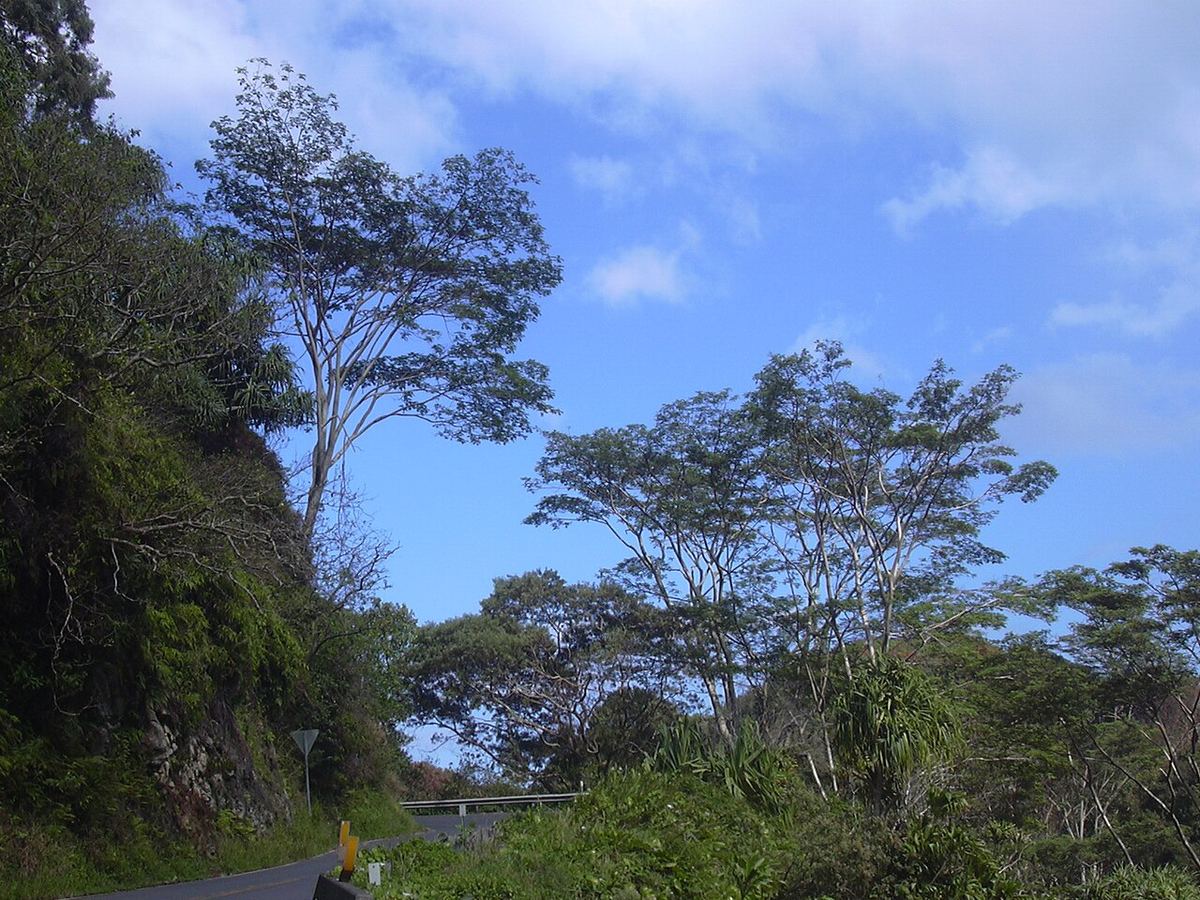
Albizia leaning toward a home is one of the most common windward removal calls.
Before the Crew Arrives
- Move cars out of the driveway and away from the work area.
- Clear patio furniture, potted plants and anything fragile from under the canopy.
After the Tree Is Gone
Most homeowners want the stump gone too. Stump grinding takes it below the surface so the area can be replanted or covered. If you are removing one tree to save another, a trim on the trees that stay is often worth doing on the same visit.
We take tree removal calls all over the island, including Kailua, Kaneohe, Pearl City, Waipahu and Kapolei. See the full service area.
Ready to talk it through? Request a quote online or call (808) 784-7359. For palms, see the palm removal cost guide.