Home Fallen Tree Removal
Fallen Tree Removal in Honolulu
A tree on the house, across the driveway or down in the yard after a storm. Here is what to do first, how the cleanup works, and what it usually costs.
Wires in the tree? Stay back and call 911. Treat every downed line as live, and keep away from anything it touches.
Every Fallen Tree Is a Different Job
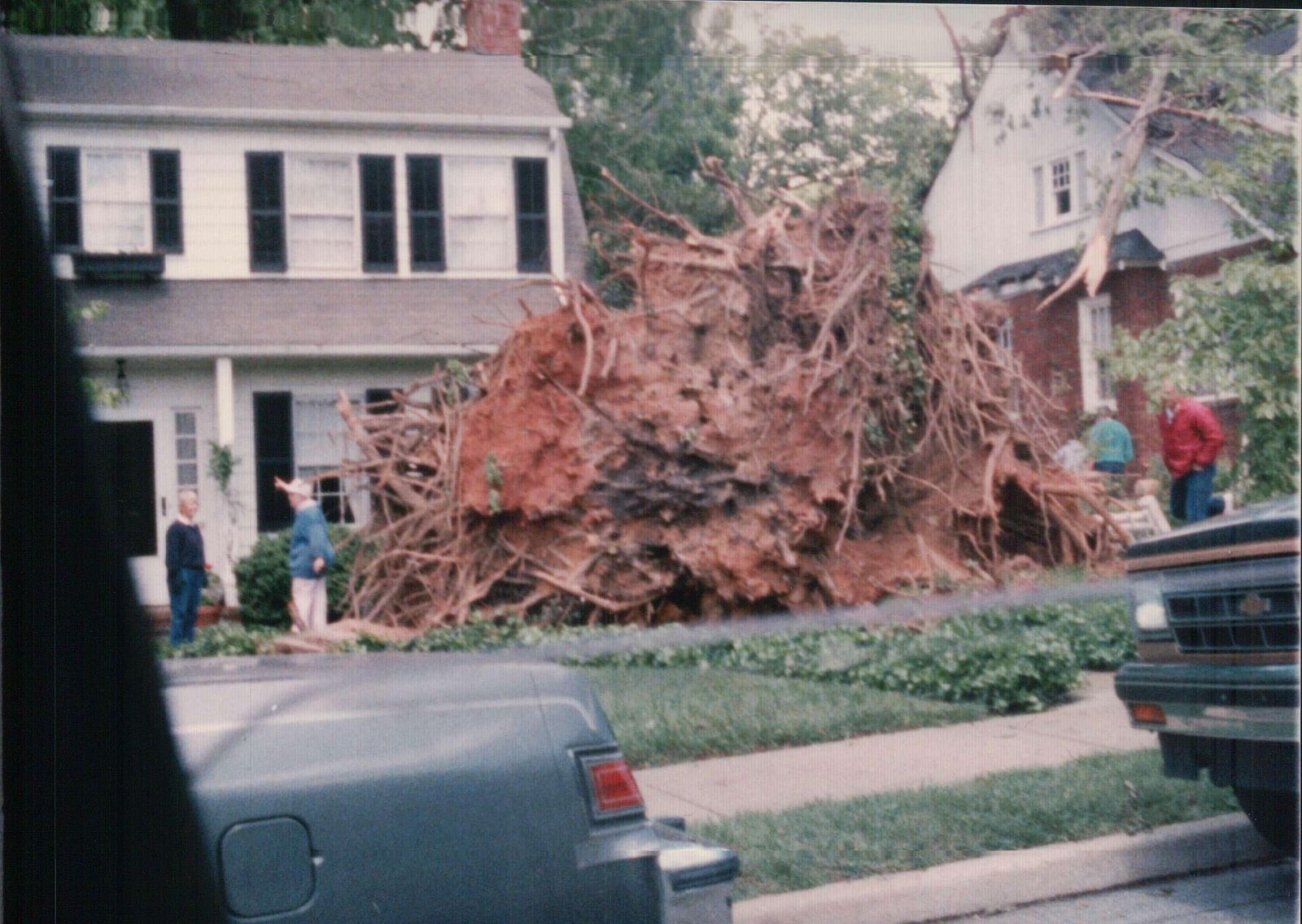
After Lala in August 2026, trees were down on roads, cars and roofs from McCully to Wahiawa. How a fallen tree is cleared depends almost entirely on where it landed. Here are the situations homeowners on Oahu call about most, and what each one usually involves.
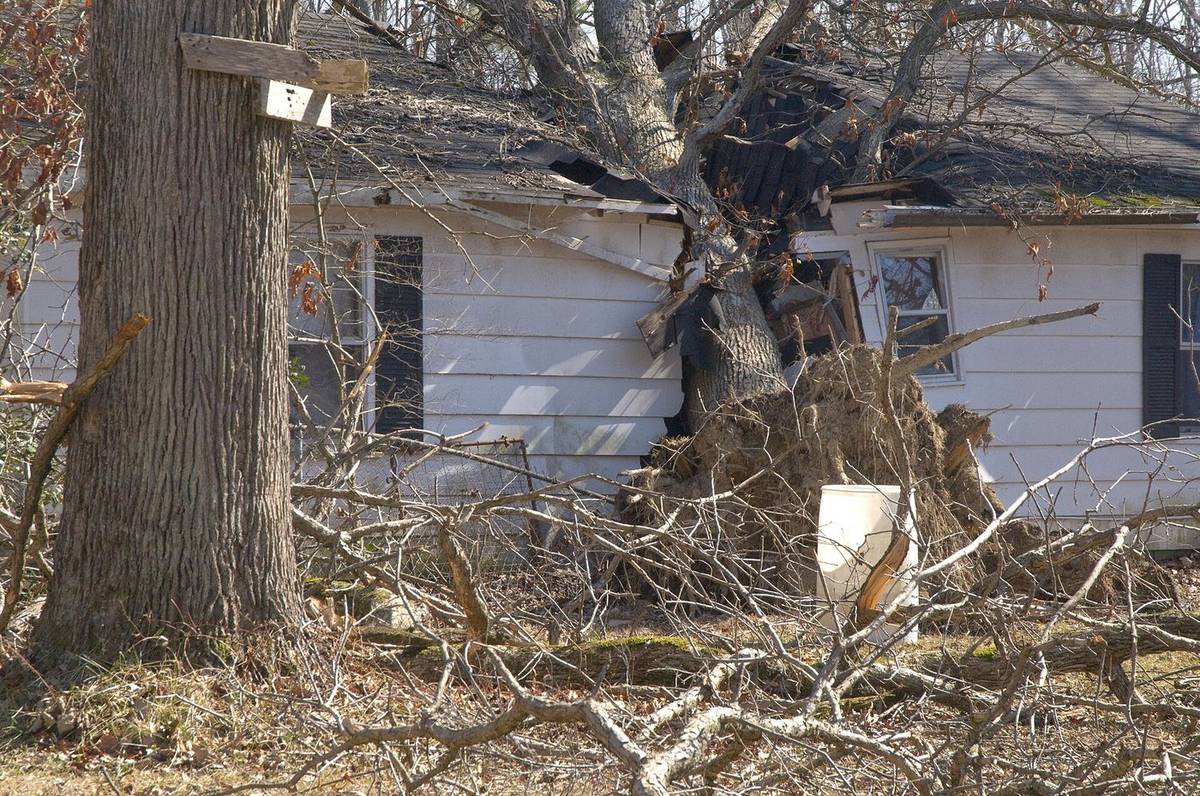
Tree on the roof
The most urgent case. The tree's weight may still be pressing on rafters, and lifting it off wrong can do more damage than the fall. The tree is usually cut back from its tips toward the house, with sections tied off and lowered on ropes rather than dropped onto the roof. On larger trees, a crane can lift the main trunk off in one piece. Once the weight is off, the roof can be tarped and assessed. Stay out of any rooms where the ceiling is cracked or sagging.
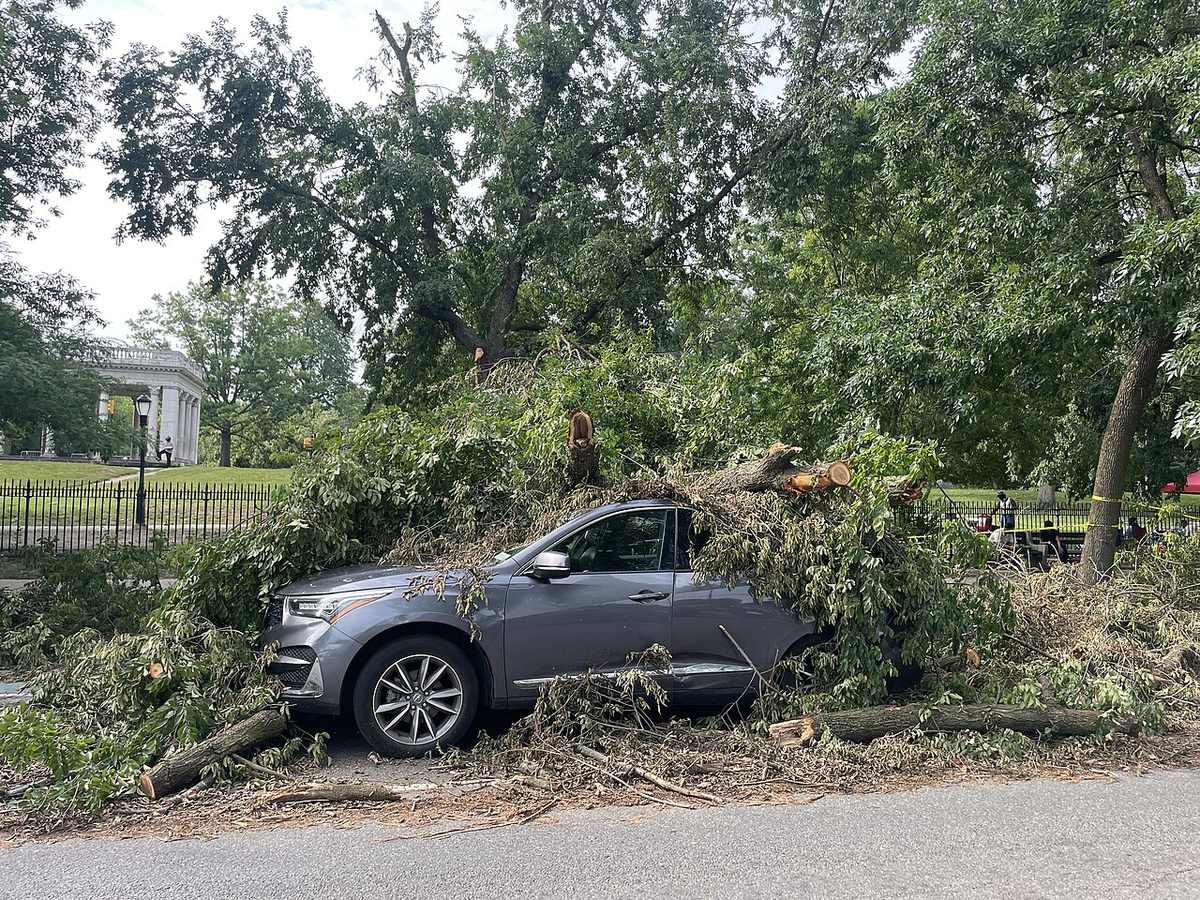
Tree on a car
Do not try to drive the car out or drag the tree off. Branches pinned under a trunk are often under heavy tension. The tree is cut away in a controlled order, starting with the parts that are not supporting weight, and lifted rather than slid off the vehicle. Photograph everything before work starts for your auto insurer.
Tree blocking the driveway or road
If the tree is on a public street, the city and county handles trees in the public right of way. If it is on your property and blocking your only way in or out, clearing a path is the first priority, and the rest can follow.
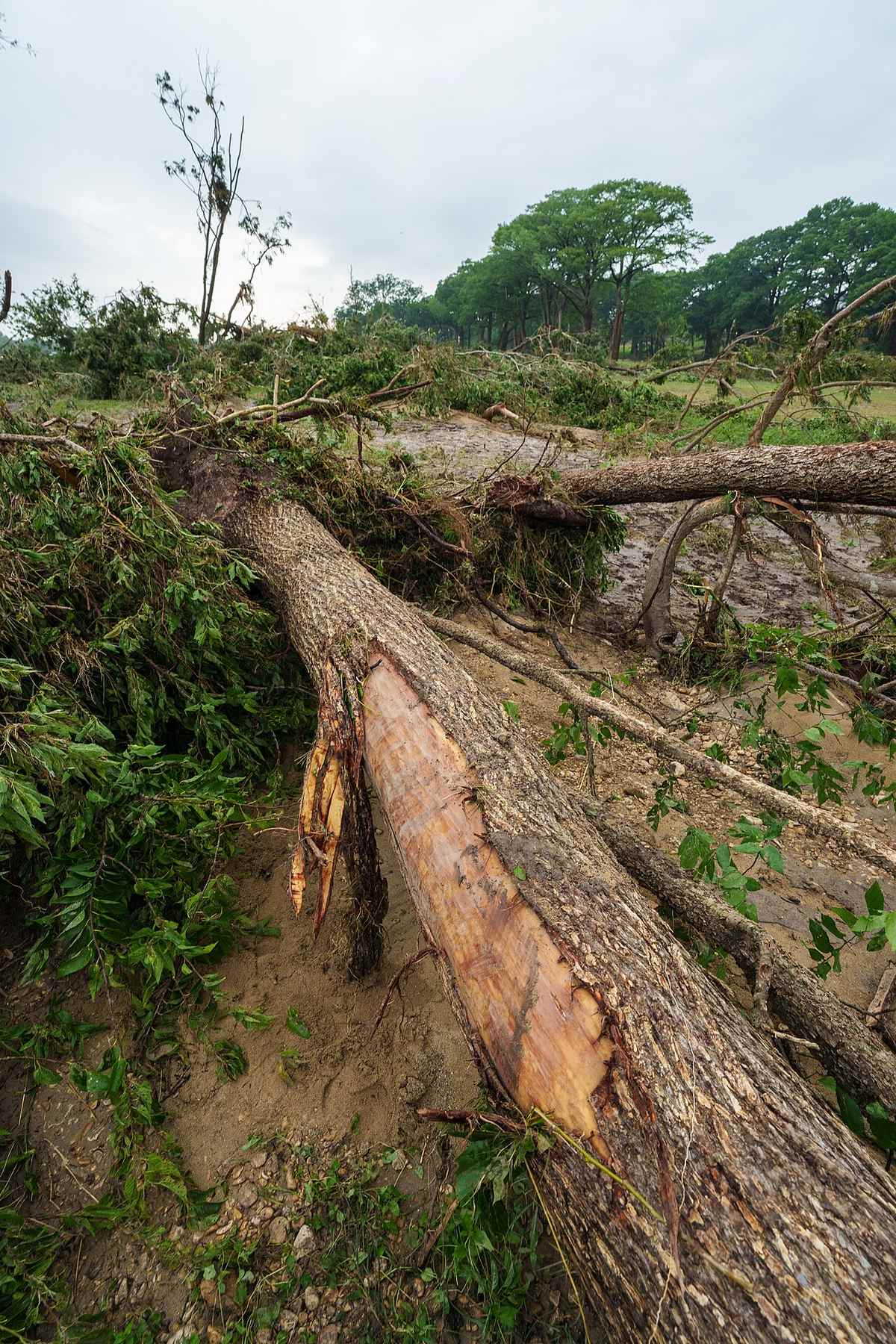
Tree down in the yard
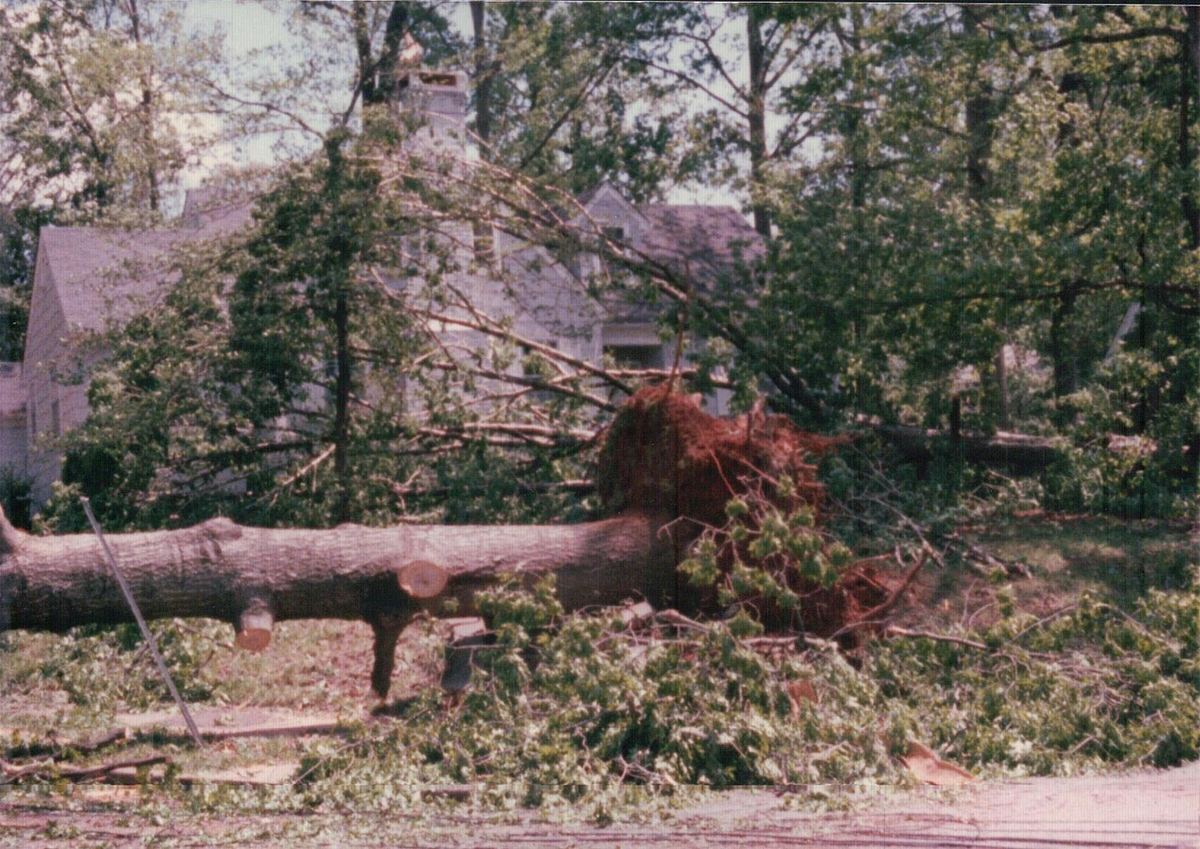
When a tree falls into open lawn and hits nothing, the hurry is lower, but do not leave it too long. A fallen trunk can crush irrigation, kill the grass beneath it and become a home for pests. Roots that tore out of the ground may leave a hole that needs filling.
Tree hung up in another tree
Sometimes a tree breaks but does not reach the ground, coming to rest in the canopy of the next tree. This is one of the most dangerous situations in tree work, because the hung tree can shift or drop without warning. Stay well clear and leave it to a crew with the rigging to bring it down safely.
Fallen fence line or shared property
If your tree falls into a neighbor's yard, or theirs falls into yours, talk early and photograph both sides. Insurers generally look at whose property was damaged and whether the tree was already known to be a hazard.
What to Do Before the Crew Arrives
- Keep clearStay out of the area around the tree, including inside rooms under a damaged roof.
- PhotographTake wide and close photos from a safe spot: the tree, the base, and every bit of damage.
- Call your insurerReport the damage and ask what they need from the tree service.
- Call for the treeDescribe what it is lying on, how big it is, and how close a truck can get.
How the Clearing Work Goes
Every fallen tree job follows the same logic: make it safe, take the weight off, then clean up.
- Read the tension. A fallen tree is full of bent wood under load. Before any cut, the crew works out which parts are holding weight and which way each piece will move when it is released.
- Remove the small wood first. Outer limbs and brush come off first to reveal the main trunk and reduce weight.
- Lift or lower the heavy sections. Over structures, wood is rigged and lowered or lifted off. On open ground, it is cut into manageable lengths.
- Deal with the root plate. A tree that uprooted leaves a root plate and a hole. The root plate can sometimes be set back down with the stump, and in other cases is ground out or removed.
- Clean up. Brush is chipped, wood is hauled or left cut to length if you want it, and the area is raked.
What Fallen Tree Removal Costs
Fallen tree removal is priced on the size of the tree, what it is resting on, and how hard it is to reach. A tree lying in an open yard is often simpler than removing a standing tree of the same size, since no climbing is needed. A tree on a roof or a car is usually more, because the work is slower and may need a crane.
For a sense of scale, published guides put Honolulu tree removal at about $599 for a small tree up to about $4,655 for a very large one. Those are guide figures for standing trees, not quotes. See the tree removal cost guide for the full breakdown.
Keep the itemized invoice for your insurance claim. If the tree fell on an insured structure, removal is often covered at least in part.
After the Cleanup
Once the fallen tree is gone, look hard at the trees that are still standing. A storm that brought one tree down may have cracked limbs or loosened roots on others. A trim to remove damaged limbs, or a planned removal of a tree that is now leaning, can stop the next one from falling. Leftover stumps can be ground with stump grinding.
Call (808) 784-7359 or send the details online. For palms, see the palm removal cost guide.