Home Palm Tree Trimming
Palm Tree Trimming in Honolulu
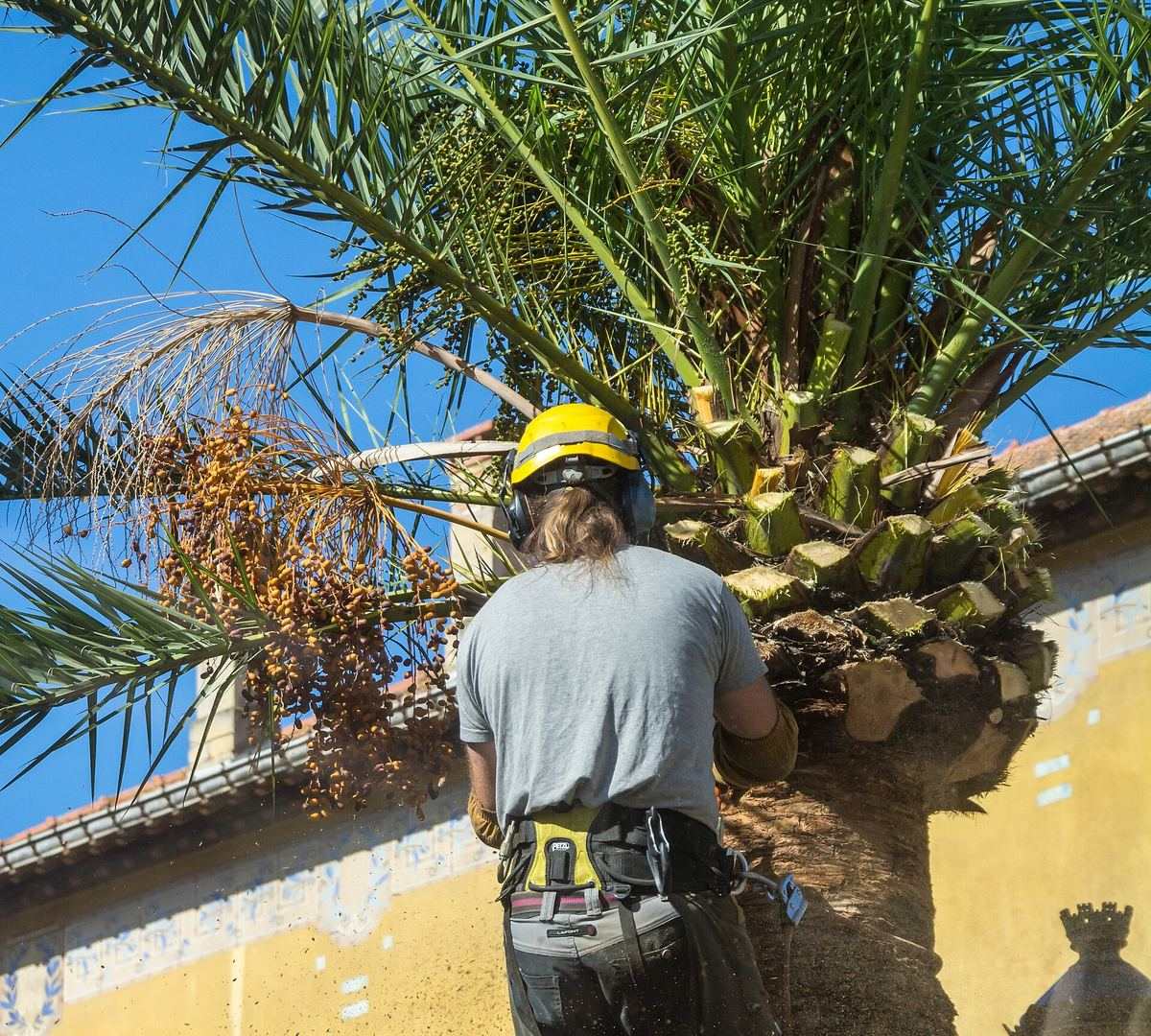
Dead fronds, heavy coconuts and seed pods over the roof and lanai. Regular trimming keeps palms safe and tidy, and it is the best chance to spot beetle damage early.
What Palm Trimming Covers
A palm trim is not a haircut. Done right, it removes what is dead, heavy or about to fall, and leaves the living crown alone. On a typical Oahu palm, that means:
- Dead and hanging fronds. Brown fronds that hang down the trunk, and fronds that are broken or tearing loose.
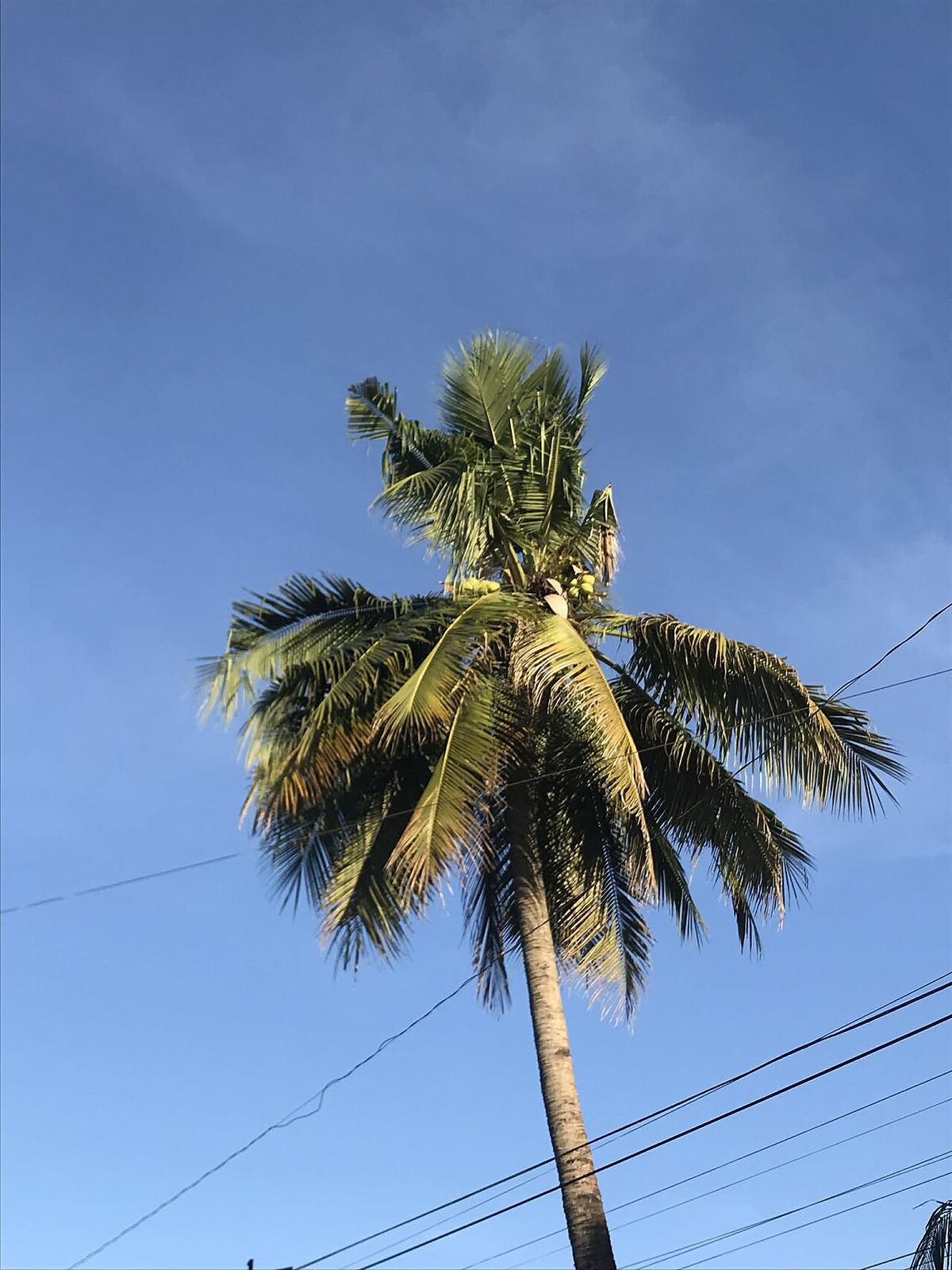
- Coconuts. Green and mature nuts removed from coconut palms over walkways, parking, pools and lanais.
- Flower stalks and seed pods. The stalks that become messy fruit clusters, staining paving and attracting pests.
- Old frond bases. Loose boots and dead material at the top of the trunk where it collects debris.
- Cleanup. Fronds, nuts and pods hauled away rather than left in a pile at the curb.
Don't Over Trim: Why Green Fronds Matter
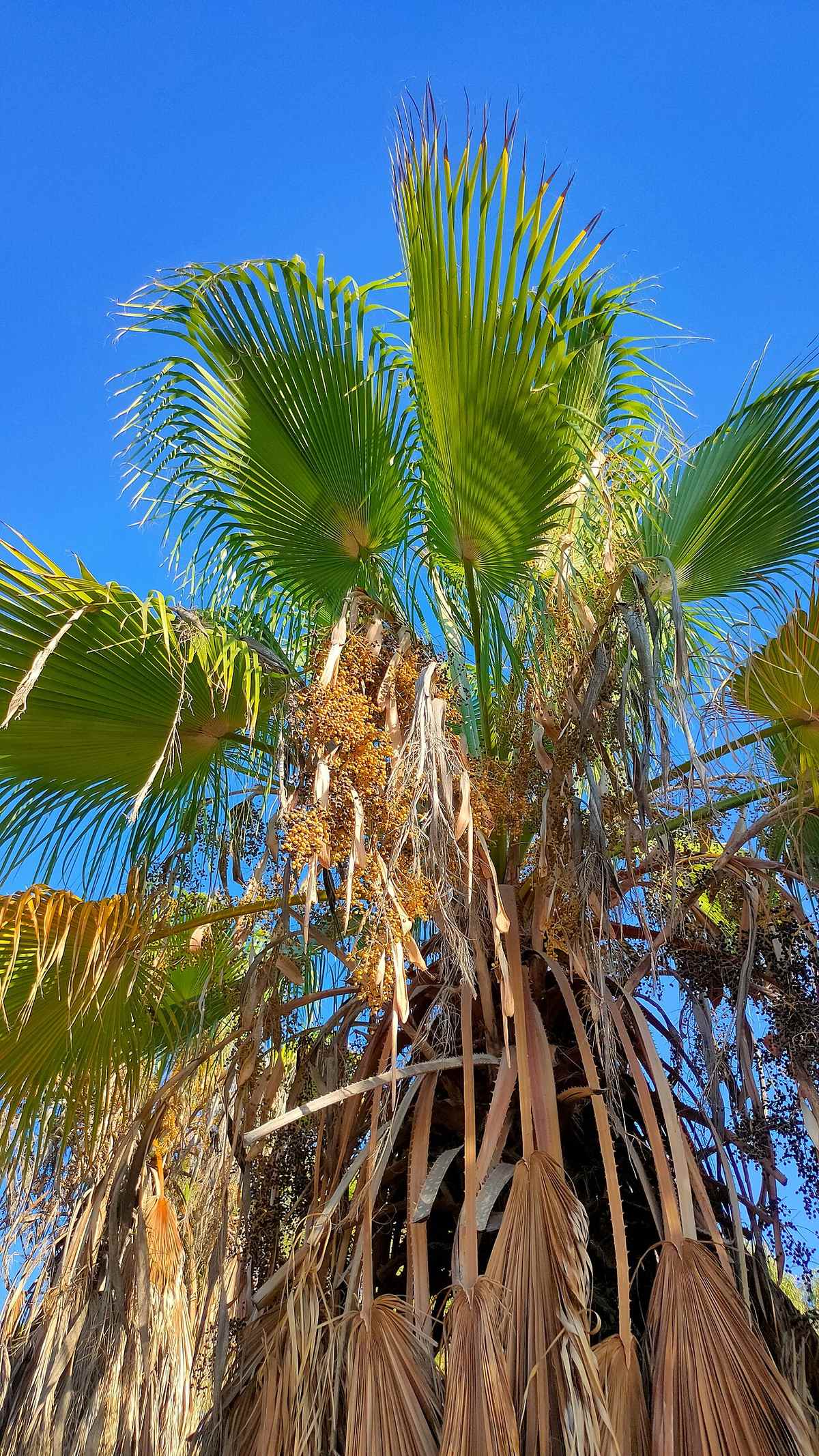
The most common palm mistake on the island is the "hurricane cut", where nearly every green frond is stripped off and only a small tuft is left at the top. It looks tidy for a few weeks, but the green fronds are how the palm feeds itself, and older fronds move nutrients back into the trunk before they die. Over trimmed palms grow thin, weak trunks near the top, a narrowing known as pencil pointing, and recover slowly.
A good rule is to remove fronds that are dead, dying or hanging below horizontal, and leave the healthy upper fronds that sit level or point upward. If a palm needs to be smaller than that leaves it, trimming is not the answer. The only way to make a palm shorter is to remove it.
Spikeless Climbing, and Why It Matters
Climbing spikes, the metal gaffs strapped to a climber's boots, punch holes in the trunk with every step. A broadleaf tree can grow over a wound. A palm cannot. Palms have no layer that heals over damage, so every spike hole stays in the trunk for the life of the palm. Those wounds give disease and pests a way in, and over years of trimming they add up to a scarred, weakened trunk.
So on palms that are staying, trimming should be done without spikes: with a lift where a truck can reach, with ropes and climbing gear that grips the trunk without piercing it, or with a ladder on short palms. Spikes belong on removals, where the palm is coming down anyway.
When you get any quote for palm trimming, it is fair to ask how the crew will reach the crown. "No spikes on trims" is the answer you want to hear.
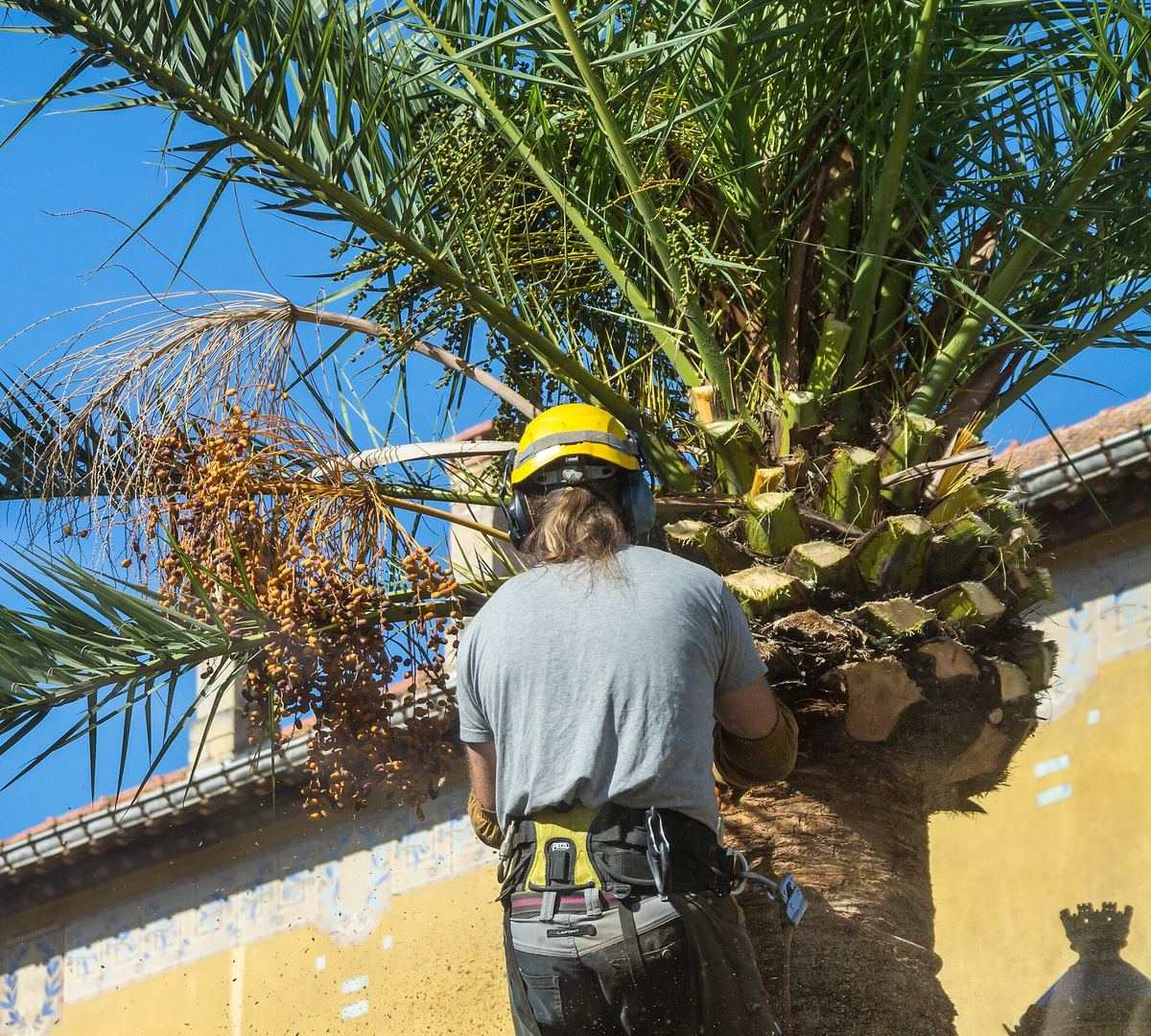
Trunk Skinning
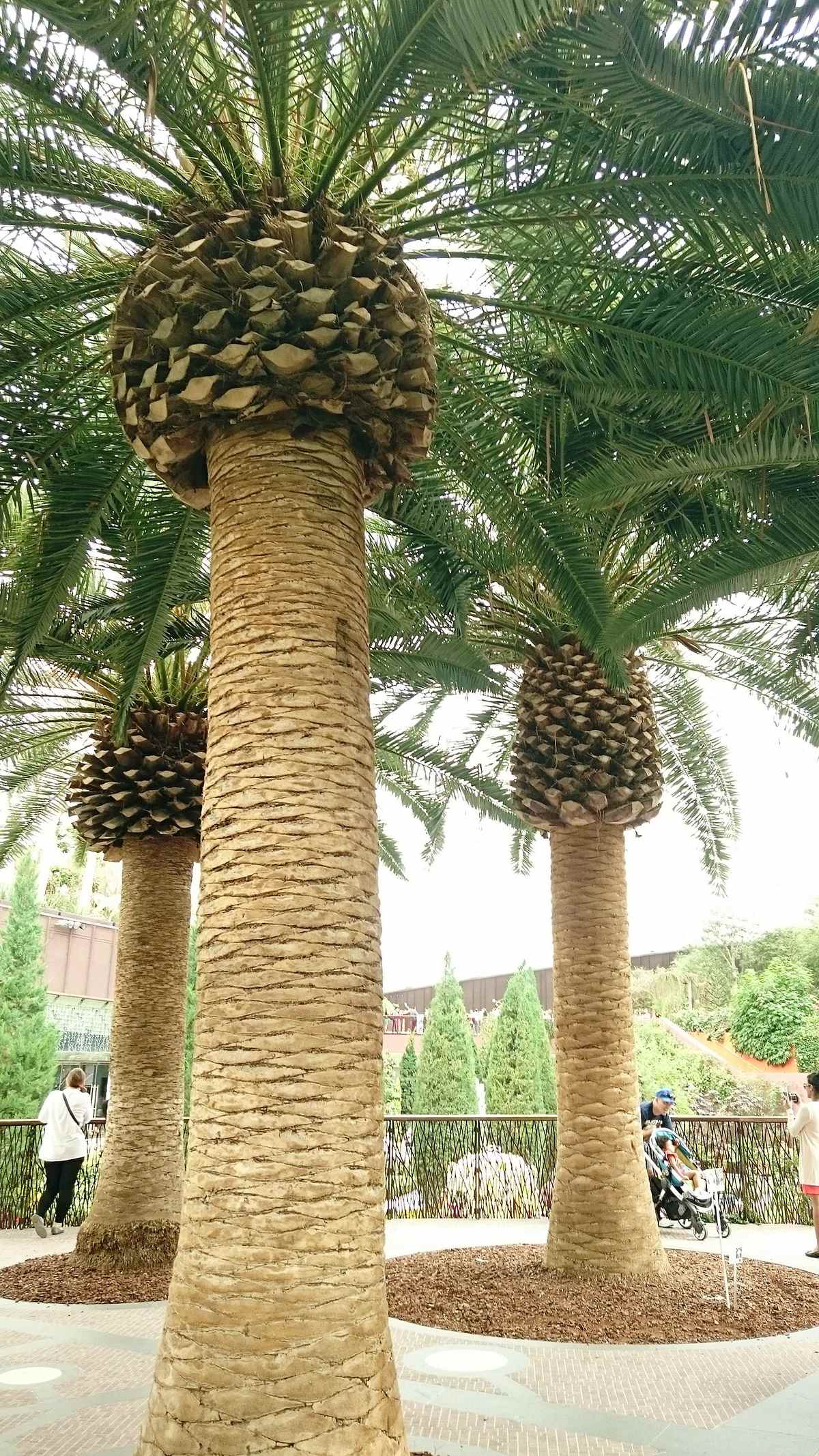
Skinning, sometimes called shaving, removes the old frond bases and fibrous outer layer from the trunk to leave a smooth, clean column. It is mostly done on date palms and some fan palms, where the old bases form a rough, layered pattern on the trunk.
Skinning has a few real benefits. It removes a place for rats, insects and debris to hide, it makes the trunk easier to inspect, and many people prefer the look. Done badly, though, it gouges into the living tissue of the trunk, and those gouges are permanent just like spike holes. Skinning should only take off the dead material, never cut into the trunk itself. Not every palm should be skinned, and coconut and royal palms shed their frond bases naturally.
How Often to Trim
Palms in Honolulu grow year round, so there is no dormant season to wait for. Most coconut palms over areas people use need trimming at least once a year, and many owners choose twice a year to stay ahead of the nuts. Royal palms drop their own fronds, which is a hazard in itself because those fronds are large and heavy, so a regular trim keeps them coming down on your schedule instead of the wind's. Slower palms like Bismarck and many fan palms can go longer between visits.
Ahead of the stormy months, a trim that removes dead fronds and heavy nuts reduces what can be thrown around by strong gusts.
Every Trim Is a Crown Check
The person trimming your palm is the one person who gets a close look at the crown, where the coconut rhinoceros beetle does its damage. The beetle bores into the crown and feeds on the developing fronds, which then open with V shaped cuts. Bore holes in the crown and general crown damage are the other signs.
Here is what to ask any crew trimming your palms:
- Will you look at the crown and tell me if you see V shaped cuts or bore holes?
- If you see signs of the beetle, will you take photos so I can report them?
- How will you handle and dispose of the green waste from my palms?
Sightings go to the state through crbhawaii.org or the 643-PEST hotline.
Trimming or Removal?
If a palm is healthy, trimming on a schedule is the cheaper long term choice. If it is too tall for the spot, leaning toward the house, or the crown is badly damaged, removal makes more sense. See palm tree removal and the palm removal cost guide to compare.
Managing palms for a condo, HOA or rental property? See commercial and property management tree service. For shade and fruit trees, see tree trimming and pruning. To book a palm trim, call (808) 784-7359 or request a quote. For other trees, see the tree removal cost guide.