Home Emergency Tree Service
Emergency Tree Service in Honolulu
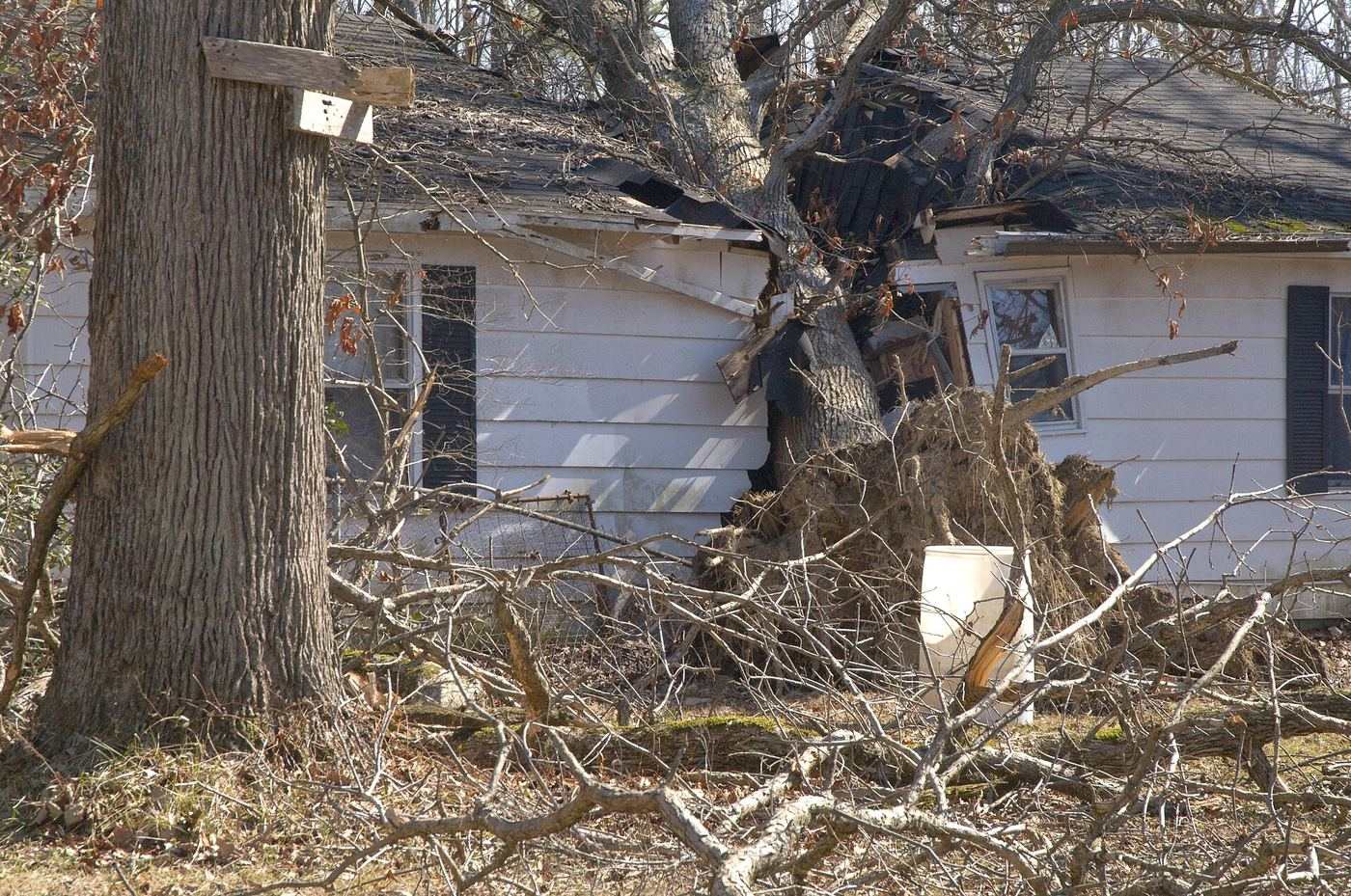
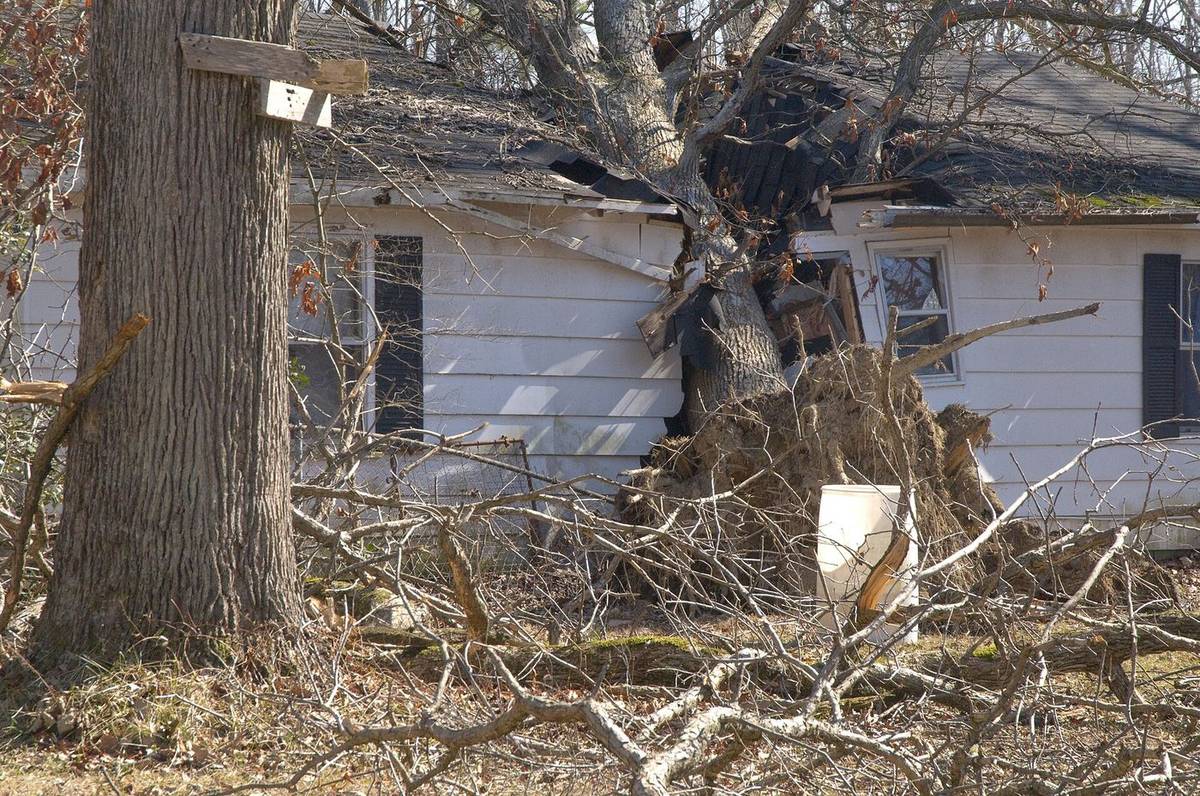
A tree on the roof, a limb hanging over the driveway, or a trunk split after a Kona storm. Get everyone clear first, then call and describe what you are seeing.
If a tree is touching a power line, or anyone is hurt or trapped, call 911 first. Stay well away from downed lines and anything they touch, including the tree, a fence or standing water. Do not try to move a tree or limb that is in contact with a line.
What Counts as a Tree Emergency
Not every storm mess is an emergency. These are the situations where a tree problem should not wait:
- A tree or large limb has fallen on a house, carport, car or other structure.
- A trunk has split, cracked or twisted and the tree is still standing.
- A large limb is broken and hanging in the canopy, held up only by other branches. Tree workers call these hangers, or widowmakers, because they can fall without warning.
- A tree has started leaning noticeably after heavy rain, with soil cracking or lifting on the side away from the lean.
- A fallen tree is blocking the only way in or out of your property.
If the tree is already on the ground and not threatening anything else, see fallen tree removal. It is still worth dealing with promptly, but the urgency is lower.
What to Do First
- Get people clearMove everyone out of the fall zone of any cracked or leaning tree, inside and outside the house.
- Check for linesLook for wires in or under the tree before going near it. If there are any, stay back and call 911.
- Take photosPhotograph the tree, the damage and the surroundings from a safe distance, for insurance and for the crew.
- CallDescribe the tree, where it is resting, and what is underneath or at risk.
What Not to Do
- Do not climb onto the roof to look at a tree resting on it. The tree may shift, and the roof may already be damaged.
- Do not start cutting a tree that is under tension. Fallen and leaning trees store huge force in bent trunks and limbs, and a single cut in the wrong place can make wood spring back or drop suddenly. This is one of the most common causes of serious chainsaw injuries after storms.
- Do not stand under a cracked tree or a hanging limb, even briefly.
- Do not try to pull a tree off a car or roof with a vehicle or rope. It almost always causes more damage.
Why Storms Hit Oahu Trees So Hard
Oahu trees are mostly shaped by the steady northeast trade winds. When a Kona storm swings the wind around to come from the south or west, trees get pushed in a direction they are not built for. Heavy rain softens the soil at the same time, so roots lose their grip just as the canopy is catching the most wind.
Some trees are more likely to fail than others. Albizia has brittle wood and grows very fast, and is a frequent storm problem on windward and hillside lots. Monkeypod carries long, heavy horizontal limbs that can tear out under load. Coconut palms throw fronds and nuts in high wind. Older mango and banyan trees can hide decay that only shows when a limb breaks.
Lala, August 2026
Lala showed how fast this happens. The storm passed south of Oahu on August 16, 2026 without making landfall, yet by noon the Honolulu Fire Department had logged more than 600 weather calls, including 147 downed trees. Fallen trees closed the Pali Highway, a tree crashed onto a driver's windshield in Wahiawa, and three of the city's protected Exceptional Trees came down.
How Emergency Tree Work Is Done
Storm damaged trees are more dangerous to work on than healthy ones. Wood that is cracked or twisted behaves unpredictably, and trees resting on structures have to be lifted off without dropping more weight onto the roof.
The first goal is to make the situation safe: remove hanging limbs, take weight off the house or car, and clear access. The rest of the tree can then be removed in a planned way. On a roof, sections are usually cut and lowered on ropes, or lifted off with a crane on bigger trees, rather than dropped. A temporary tarp on the roof is often the next step, and your roofer or insurer will usually want to see the damage once the tree is off.
Insurance and Storm Damage
Homeowners insurance often covers removing a tree that has fallen on an insured structure, such as the house or a garage, though every policy is different and limits apply. A tree that falls in the yard without hitting anything is often not covered. Call your insurer early, keep your photos, and ask for a written, itemized invoice for the tree work so you can submit it.
Prevent the Next Emergency
Most storm failures give some warning: deadwood in the canopy, a lean that is getting worse, cracks where limbs join the trunk, fungus at the base, or a tree that has been growing over the house for years. A trim to remove deadwood and reduce weight, or a planned removal of a tree that is past saving, costs far less than an emergency call. Palm owners can cut risk with regular palm trimming to clear heavy nuts and dead fronds.
For pricing guidance, see the tree removal cost guide. To talk about a tree now, call (808) 784-7359, or send details online if it is not urgent. For palms, see the palm removal cost guide.