Home Palm Tree Removal
Palm Tree Removal in Honolulu
Coconut palms over the lanai, a royal palm too close to the house, or a palm the beetle has already ruined. Call and describe the palm, its height and what is around it.
Why Palms Come Out
Palms are the signature tree of Honolulu yards, and they are also some of the most common removal calls. A palm planted as a small accent can reach roof height and beyond within a couple of decades, and unlike a shade tree, a palm cannot be cut back to a smaller size. Once it is too tall, too close or too sick, removal is the only fix.
- Falling coconuts and fronds. A coconut palm over a driveway, lanai, pool deck or play area drops heavy nuts and fronds all year. Regular trimming helps, but some homeowners would rather not have the risk at all.
- Too close to the house. Fronds scraping the roof, the trunk leaning toward a wall, or a crown that hangs over power lines.
- A dead or dying crown. A palm grows from a single bud at the top. If that bud is killed by disease, a lightning strike or pests, the palm will not recover, and the dead trunk becomes a hazard over time.
- Coconut rhinoceros beetle damage. Palms badly hit by the coconut rhinoceros beetle can decline past the point of saving.
Palms We Remove on Oahu
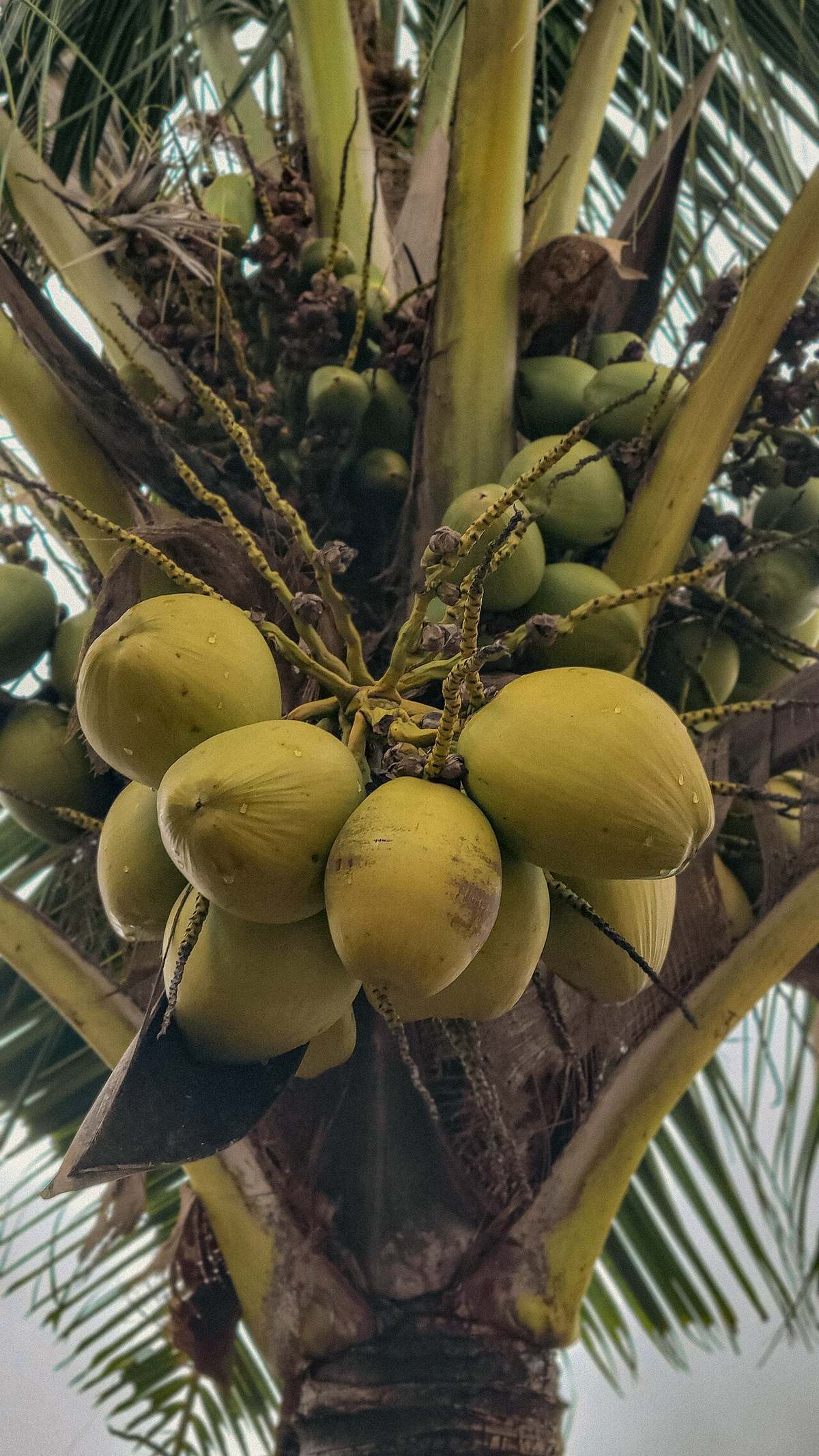
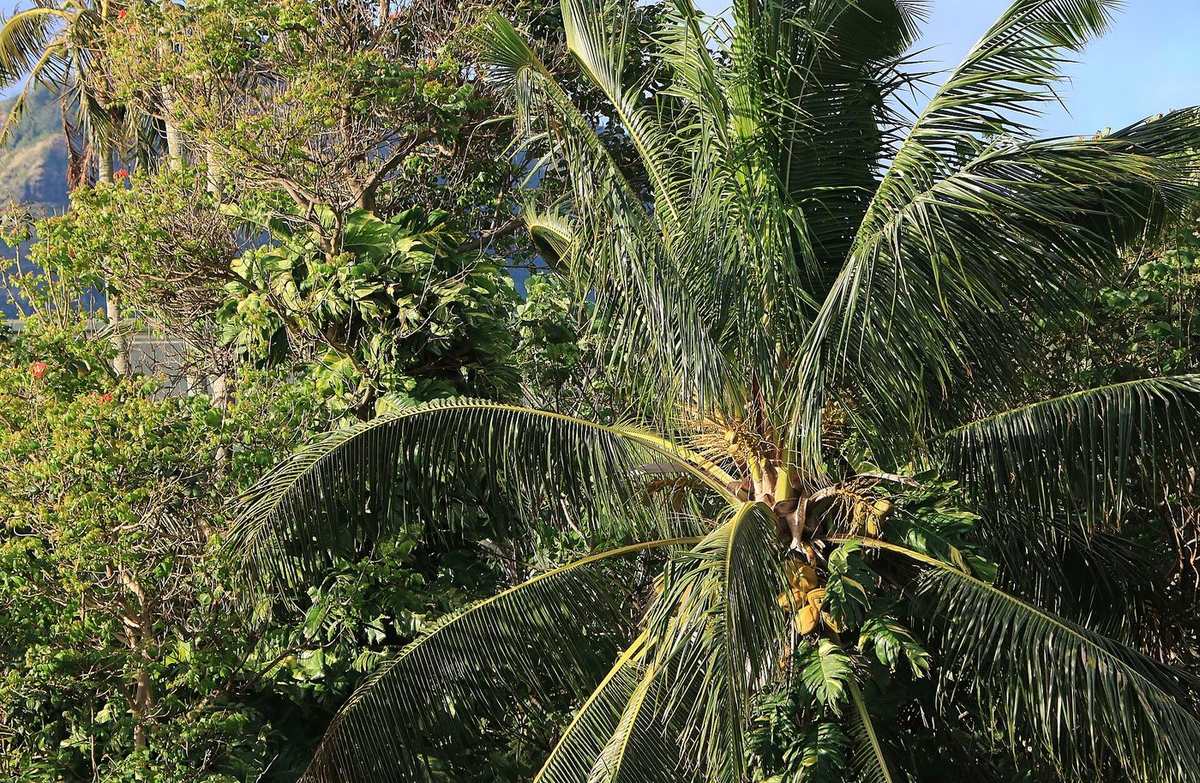
Coconut palm
The most common removal. Tall, often leaning, and heavy with nuts. Coconut palms near walkways and parking are a real liability, which is why many homeowners and associations either keep them trimmed on a schedule or remove them.
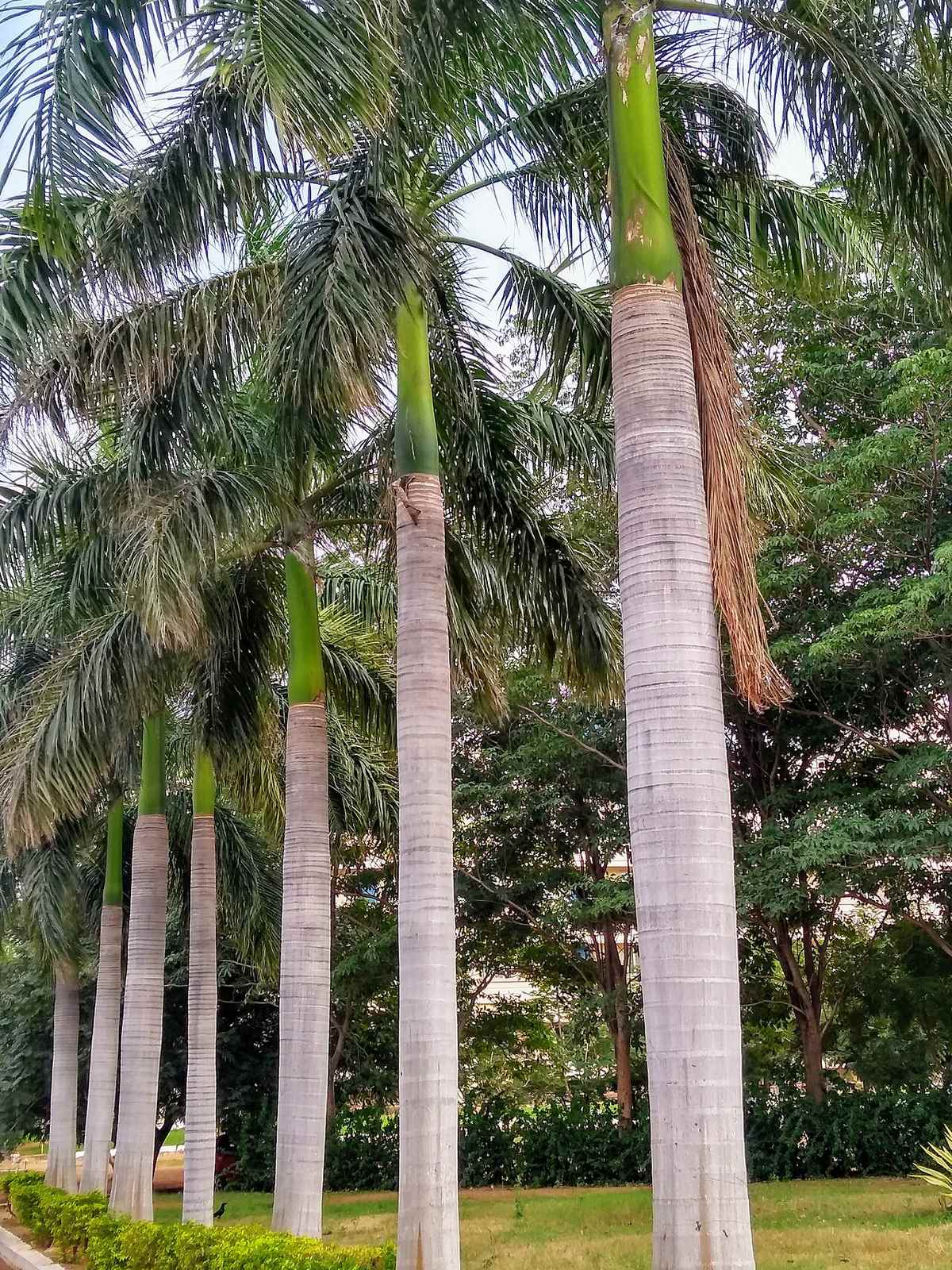
Royal palm
Tall, straight and smooth trunked, royal palms drop very large, heavy fronds and are often planted in rows along driveways. Their height makes them a rigging job when they stand close to structures.
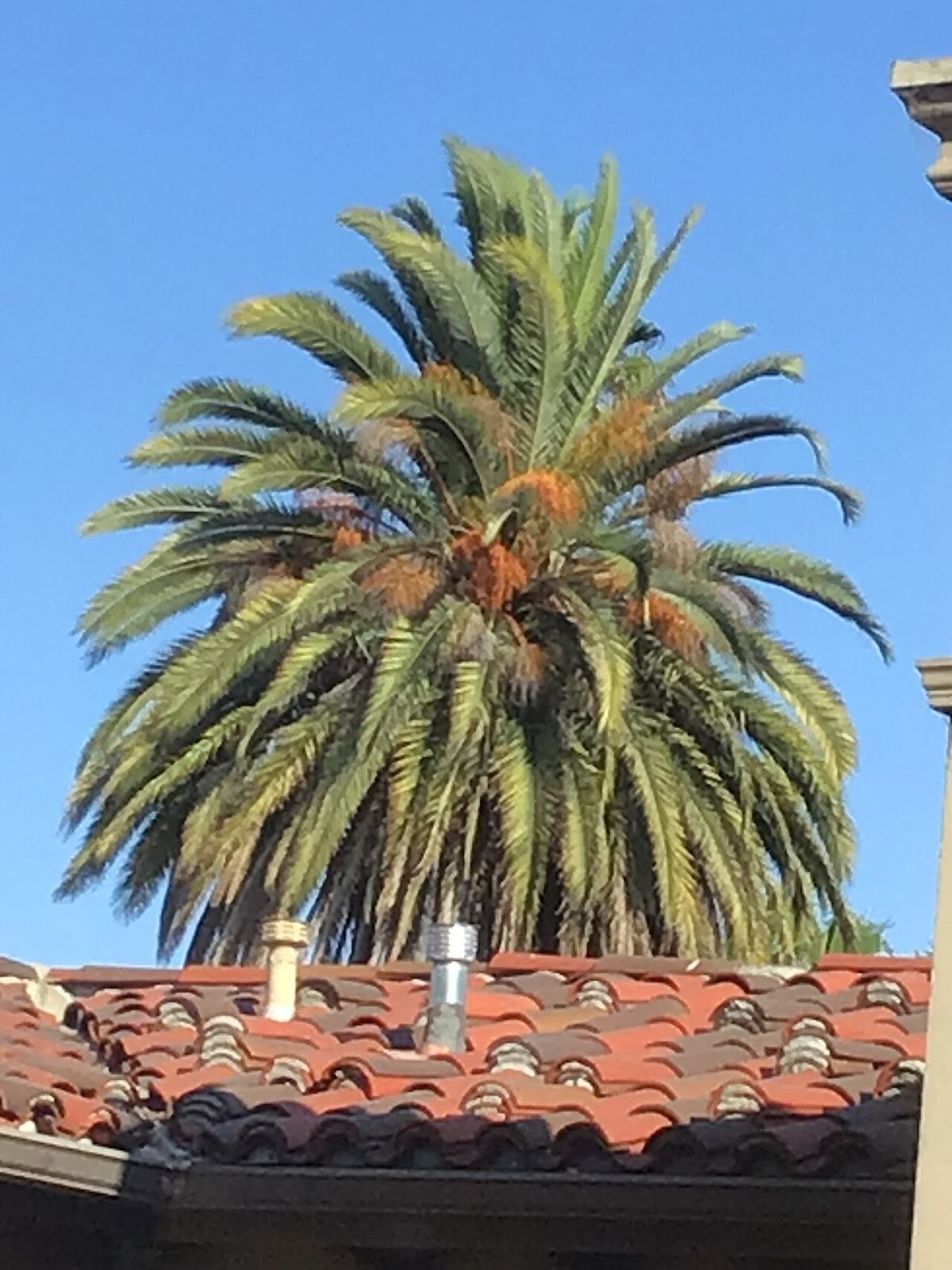
Date palm
Date palms carry sharp spines at the base of the fronds and a heavy, dense crown. They need careful handling and protective gear, and the crown is the hardest part to bring down cleanly.
Fan palm, traveler's palm and Bismarck palm
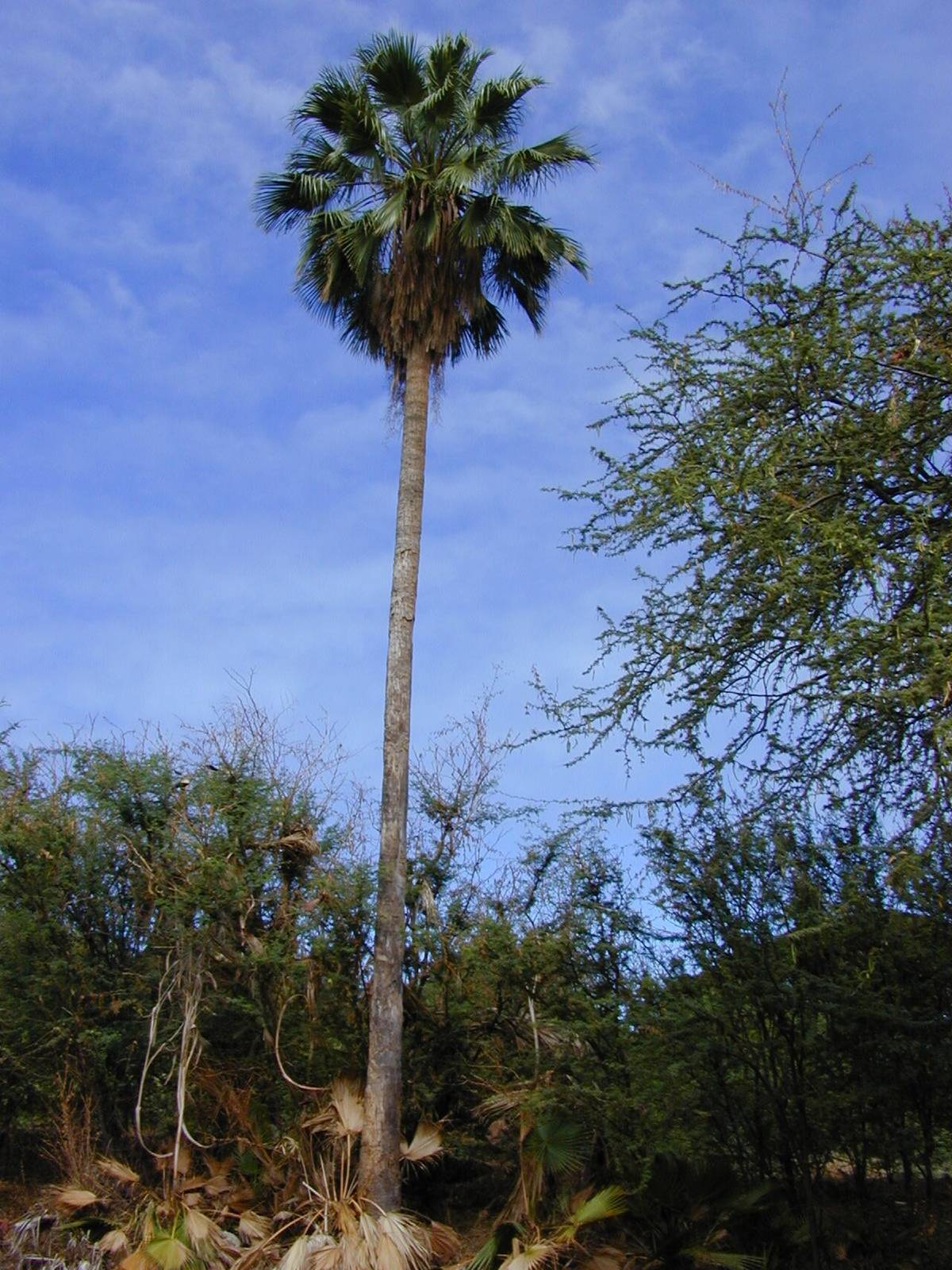
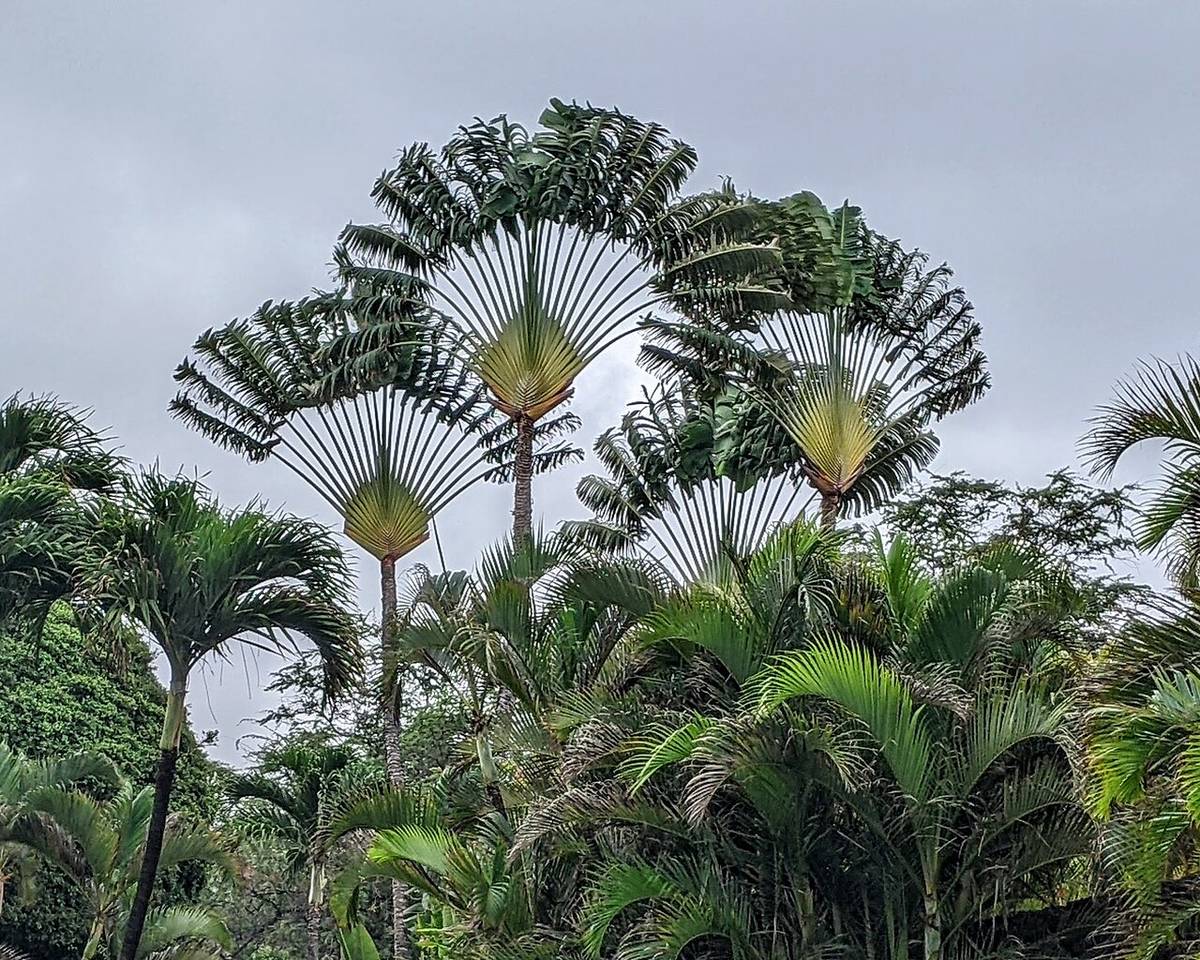
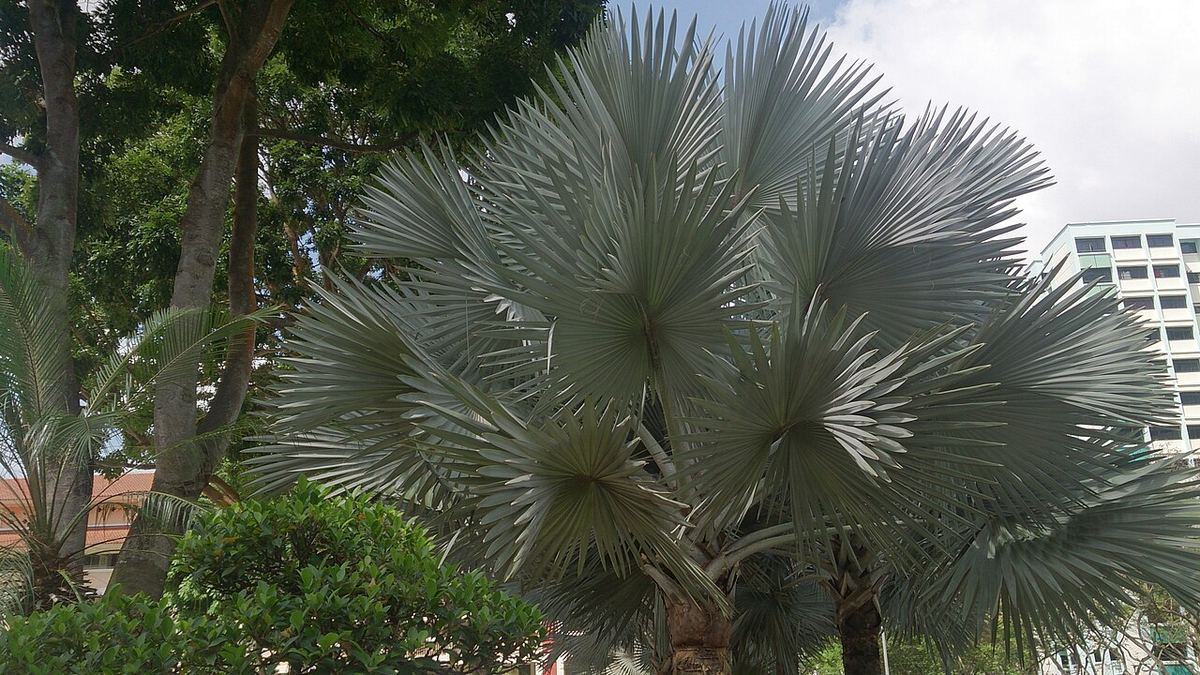
Fan palms come in tall and short forms, and the tall ones can grow far above the roofline. Traveler's palm, which is actually related to the banana rather than a true palm, grows as a broad fan of leaves and spreads into clumps. Bismarck palms have huge silver blue crowns and very wide fronds, so a palm that looked small at planting can take over a whole side yard.
How a Palm Is Removed
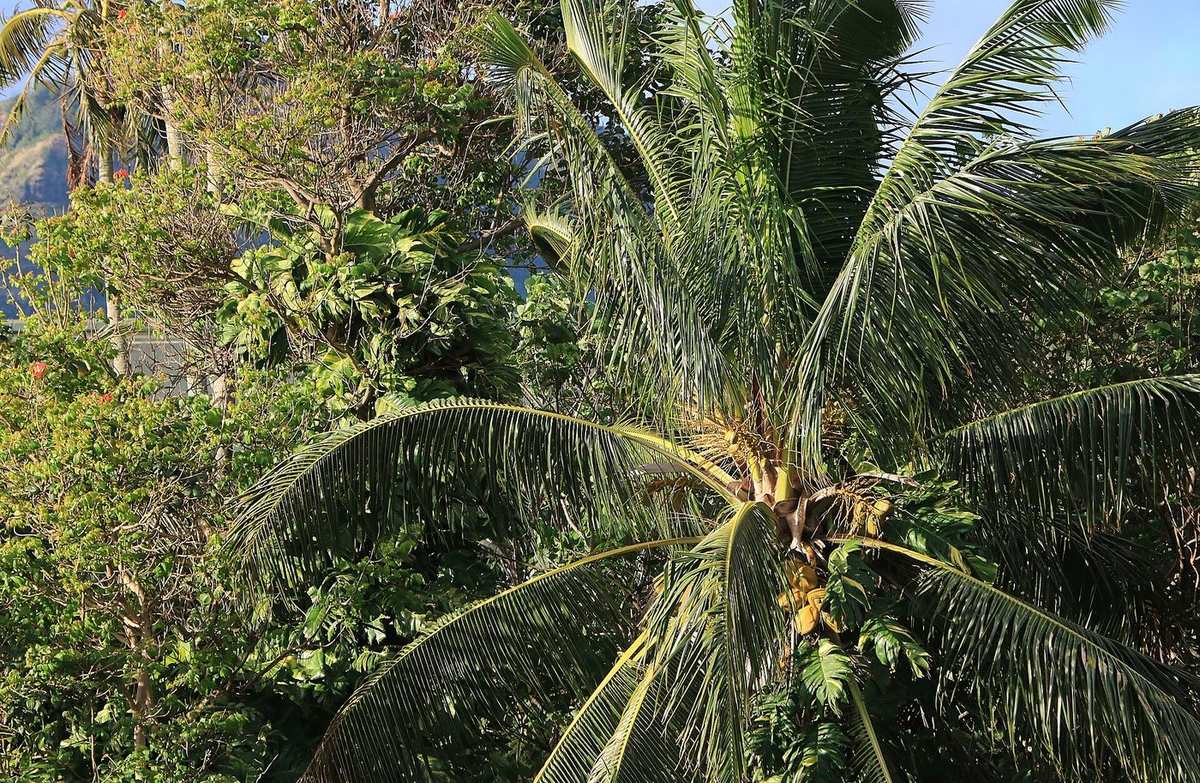
Palm removal is different from removing a broadleaf tree. A palm has no branches to tie into, the trunk is fibrous rather than woody, and the heaviest weight sits at the very top.
- Check the spaceMeasure the height against the clear space around the palm and look for lines, roofs and fences.
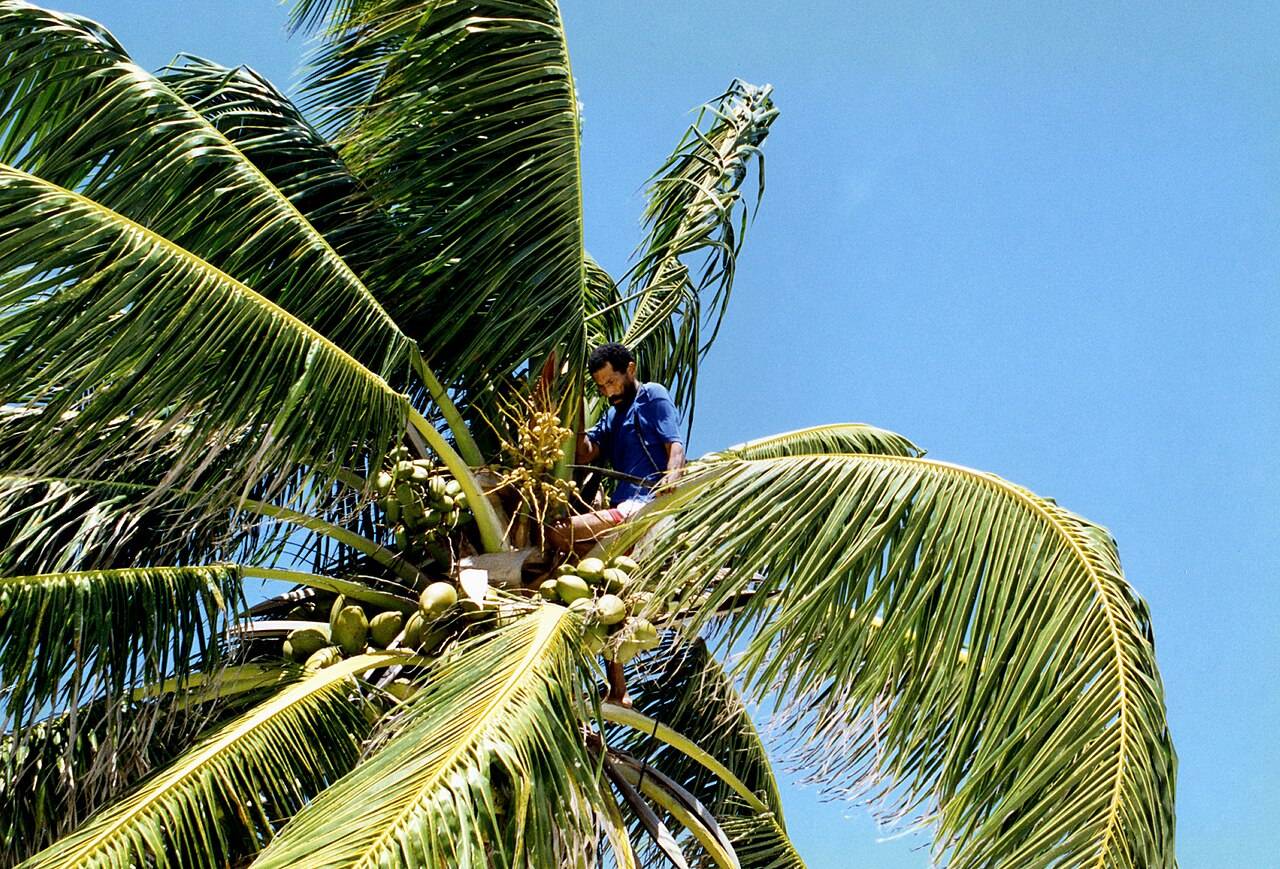
- Drop the crownFronds, nuts and seed pods are removed first, then the crown itself is cut and lowered.
- Take the trunkThe trunk is felled whole where there is room, or cut down in rounds from the top where there is not.
- Clean upFronds and trunk sections are hauled. The stump can be ground on the same visit.
On removals, climbing spikes are acceptable because the palm is coming down anyway. On palms that are staying, they are not, which is why palm trimming is done by spikeless climbing, ropes or a lift.
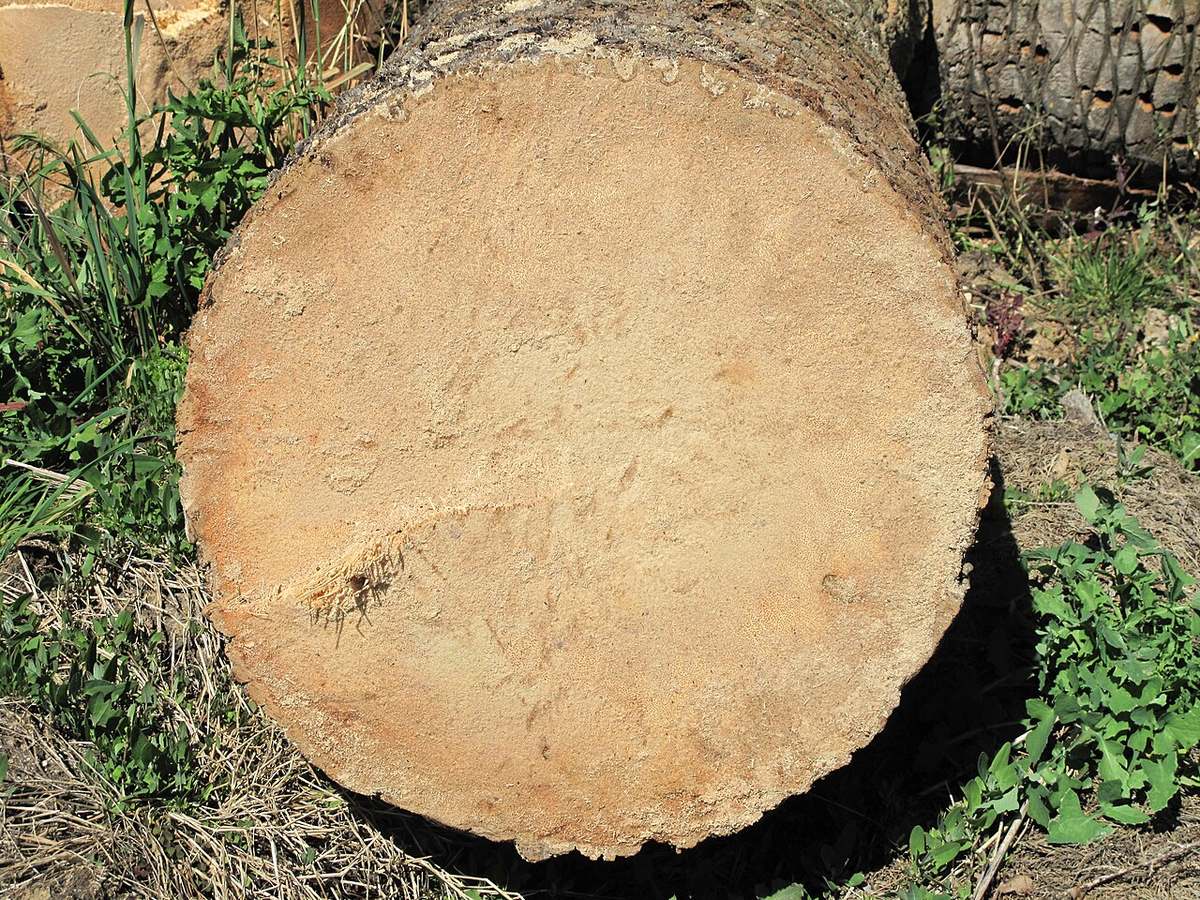
With no room to fell it whole, the trunk comes down in rounds from the top.
Is Your Palm Worth Saving?
Before removal, it is worth asking whether the palm actually needs to go. A palm with a healthy green center spear and a full crown is usually worth keeping and trimming. A palm with a dead or missing center, a crown that has shrunk to a few fronds, or a trunk that has narrowed sharply near the top is a removal candidate.
Check the crown for beetle damage
The coconut rhinoceros beetle is an invasive pest killing coconut and other palms on Oahu. The signs are V shaped cuts in the fronds, bore holes in the crown and crown damage. If you see them, report it to the state through crbhawaii.org or the 643-PEST hotline, and read our homeowner guide to the coconut rhinoceros beetle. A badly damaged palm may need to come out.
What Palm Removal Costs
Published guide figures put the removal of a medium trunk palm at $750 to $1,050. Very tall palms, palms over a roof or power line, and palms with no truck access cost more. A short palm in an open yard can cost less. Grinding the stump and hauling the trunk are usually priced as part of the job. The full picture, including what changes the price, is on the palm tree removal cost guide.
Removing Several Palms at Once
Palms planted together tend to reach problem height together. Removing them on one visit usually costs less per palm, because setup, travel and haul away are shared.
Common Questions
Will the stump grow back?
No. Unlike many broadleaf trees, a single trunk palm will not sprout again from the stump once the crown is cut. The stump can be ground out or left to break down, though grinding is the cleaner option if you want to replant or pave. Clumping palms can send up new shoots from the base.
Do I need a permit to remove a palm?
An ordinary palm on your own property does not need a city removal permit. A palm on the city's Register of Exceptional Trees, or a palm that is actually a city street tree, is a different matter. See the Honolulu tree permit guide.
Palm removal calls come from across Oahu, from beach lots in Kailua and bayside yards in Kaneohe to newer neighborhoods in Kapolei.
Ready to get a price? Call (808) 784-7359 or request a quote online. For other trees, see the tree removal cost guide.